July 2, 2026.
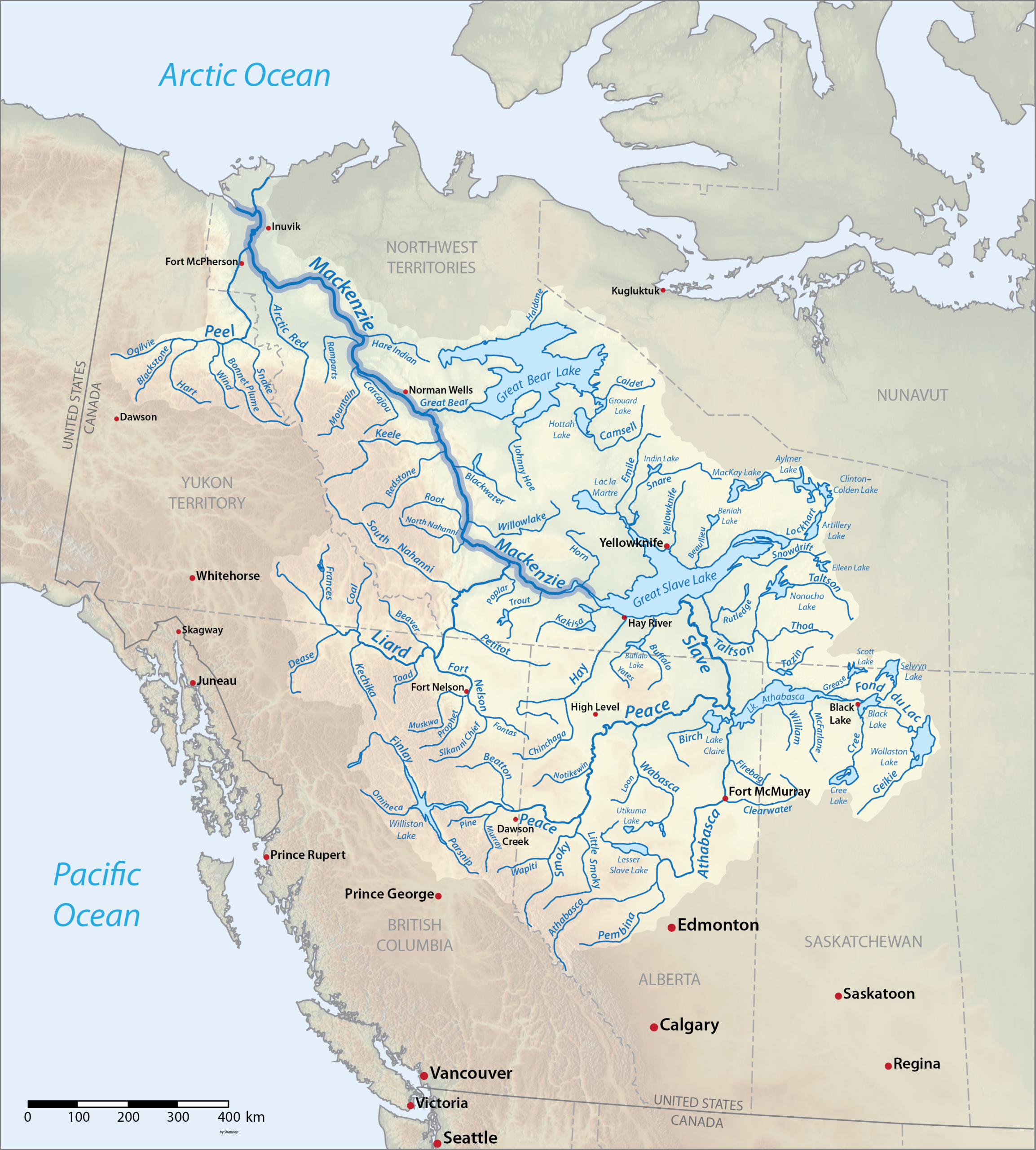
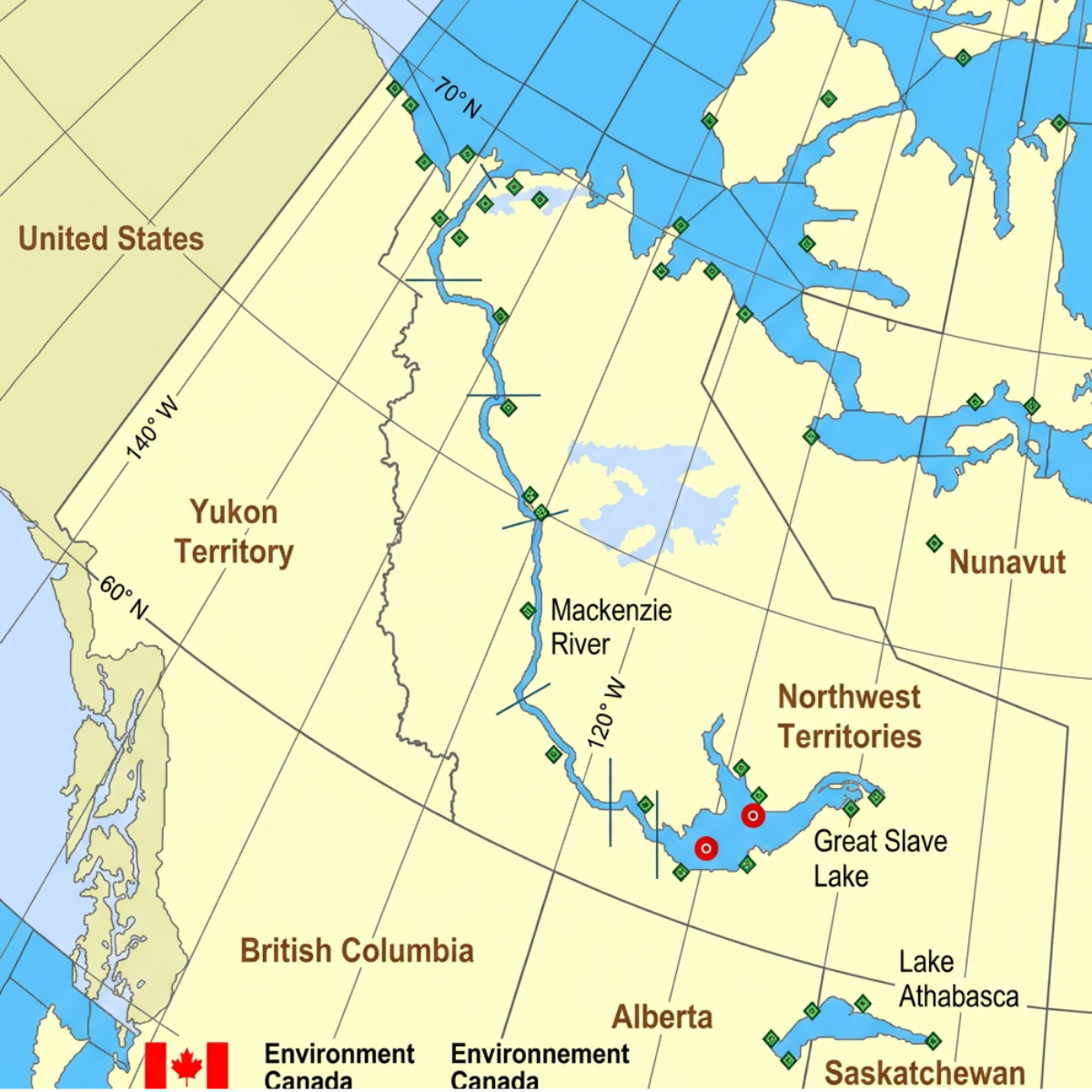
The Mackenzie River Basin, stretching across approximately 1.8 million square kilometers of northwestern Canada, is one of the largest and most intact freshwater systems remaining on the planet. Covering nearly 20 percent of Canada's landmass, the basin encompasses rivers, lakes, wetlands, forests, and tundra that ultimately drain into the Arctic Ocean. For thousands of years, First Nations, Métis, and Inuvialuit peoples have depended upon and cared for these waters, building cultures, economies, and identities closely connected to the land. Today, however, the Mackenzie River Basin stands at the center of a growing convergence of environmental, economic, and geopolitical pressures that could make it one of the most contested watersheds in the world.
Climate change is perhaps the most significant force in reshaping the basin. The Arctic is warming three to four times faster than the global average, and the Mackenzie watershed is already experiencing dramatic environmental changes. Permafrost, which underlies much of the basin, is thawing at an accelerating rate. As frozen ground melts, riverbanks become unstable, erosion increases, and vast amounts of stored carbon are released into the atmosphere. Scientists and Indigenous observers have also documented earlier spring breakups, reduced snow and ice cover, shrinking glaciers in the Rocky Mountains, and changes in seasonal water flows. These changes affect everything from fish habitat and migratory bird patterns to transportation routes and traditional harvesting activities.
The consequences extend far beyond northern Canada. The Mackenzie River discharges enormous volumes of freshwater into the Arctic Ocean each year, influencing Arctic marine ecosystems and even global ocean circulation patterns. Researchers have long warned that changes in the quantity, timing, and quality of freshwater entering the Arctic could have international implications for climate stability and biodiversity. The basin is not simply a regional resource; it is a globally significant environmental system.
Biodiversity within the watershed is equally remarkable. The basin contains vast boreal forests, wetlands, peatlands, major lakes, and river deltas that provide habitat for hundreds of bird species, fish populations, caribou, moose, bears, and countless other wildlife species. More than 90 percent of many northern portions of the basin remain relatively undisturbed, making it one of North America's last large intact ecosystems. These habitats serve as breeding grounds for migratory birds that travel throughout the Western Hemisphere and support subsistence harvesting that remains essential for many Indigenous communities.
Yet growing industrial development is placing increasing pressure on the watershed. Portions of the basin include some of Canada's most significant oil and gas reserves, including the Alberta oil sands. Mining operations, hydroelectric projects, forestry, pipeline corridors, and future critical mineral development proposals continue to expand throughout parts of the watershed. While these industries contribute to economic growth, they also raise concerns about water quality, habitat fragmentation, tailings management, and cumulative environmental impacts. Environmental organizations, Indigenous governments, and scientists have repeatedly warned that fragmented decision-making could undermine the long-term ecological integrity of the basin.
Water security is becoming an increasingly important issue as well. Unlike many regions facing severe freshwater shortages, the Mackenzie Basin still contains abundant freshwater resources. However, climate-driven changes and industrial demand are creating new uncertainties regarding future water availability and quality. Communities downstream often express concern about developments occurring hundreds of kilometres away because pollutants and altered river flows can affect entire ecosystems. As freshwater becomes more valuable globally, the strategic importance of large, relatively intact watersheds like the Mackenzie is likely to increase.
For Indigenous Nations, the Mackenzie River Basin represents far more than a source of water. The watershed encompasses the traditional territories of numerous Dene, Cree, Métis, Gwich'in, Tłı̨chǫ, Sahtu, Dehcho, and Inuvialuit communities. Waterways serve as transportation corridors, cultural landscapes, harvesting grounds, and sacred places tied to oral histories and traditional knowledge. Many Indigenous leaders argue that effective stewardship must recognize Indigenous rights, treaty obligations, and Indigenous-led governance systems. Across the basin, Indigenous governments are increasingly asserting their role in monitoring environmental changes and managing natural resources.
Adding another layer of complexity is the Arctic's growing geopolitical importance. As sea ice declines and northern shipping routes become more accessible, Arctic nations are increasingly focused on securing economic opportunities, transportation corridors, energy resources, and national security interests. Canada views its northern waters as strategically important, while international attention to Arctic development continues to grow. The Mackenzie River, as one of North America's largest contributors of freshwater to the Arctic Ocean, occupies a critical position within these broader geopolitical discussions. Decisions about the watershed increasingly intersect with questions of sovereignty, resource development, climate policy, and international environmental cooperation.
Many experts believe that stronger conservation measures and Indigenous-led stewardship will be essential to protecting the basin's future. Existing governance frameworks, including the Mackenzie River Basin Transboundary Waters Master Agreement, were designed to encourage cooperation among jurisdictions. However, critics argue that climate change and accelerating development require more coordinated action, stronger monitoring programs, and greater inclusion of Indigenous knowledge alongside Western science. Numerous studies have called for basin-wide planning that considers cumulative impacts rather than evaluating projects individually.
The Mackenzie River Basin remains one of Earth's last great freshwater strongholds, but its future is far from certain. Climate change, industrial expansion, Indigenous rights, freshwater security, and Arctic geopolitics are converging within a single watershed of global importance. As pressures continue to grow, decisions made today will shape the health of the river system for generations to come. Whether the basin becomes a model of collaborative stewardship or a symbol of competing interests may ultimately determine the future of one of the world's most extraordinary freshwater landscapes.