May 4, 2026
Update - The Temporary Restraining Order was granted for the project below. Next Steps: A hearing on a permanent injunction is tentatively scheduled for May 22 & 23. More information to come.
May 2, 2026.
On April 29th nine U.S. First Nations Tribes filed a lawsuit against the U.S. Forest Service over its approval of a graphite drilling project near Pe’ Sla, a site in the Black Hills that holds cultural and spiritual significance for their Members in U.S. District Court for the District of South Dakota.
The Oglala Sioux Tribe, Cheyenne River Sioux Tribe, Crow Creek Sioux Tribe, Lower Brule Sioux Tribe, Santee Sioux Tribe, Sisseton-Whapeton Oyate, Spirit Lake Sioux Tribe, Standing Rock Sioux Tribe and Yankton Sioux Tribe — also known as the Oceti Sakowin, or Seven Council Fires of the Great Sioux Nation — are all plaintiffs in the lawsuit.
The lawsuit challenges the decision to allow Pete Lien and Sons the rights for exploratory drilling for a potential graphite mine. Graphite is in demand because of its use in electric vehicle batteries, which should put Democrats and supporters of electric vehicles on notice that their use of these products does not come without negative consequences to others many of them claim to support.
The drilling is planned in Reynolds Prarie near Pe’ Sla, which is owned and used by the tribes for prayer, ceremony and cultural activities.
The tribes never ceded the land in the Black Hills to the United States, Oglala Sioux Tribe President Frank Star Comes Out said in a press release.
“The Black Hills remain the spiritual center of the Great Sioux Nation, and they are not for sale, lease, or exploitation by energy companies,” Star Comes Out said. “This lawsuit represents a united tribal response to protect a sacred site from those who continue to desecrate our ancestral lands.”
The tribes argue the drilling activities “will harm the land and natural and cultural resources in the Black Hills,” and will especially harm Pe’ Sla by “disrupting and interfering with sacred ceremonies and practice there.”
The lawsuit alleges a categorical exclusion was improper because the project includes drilling, road work and other activity near Pe’ Sla, which goes beyond what a categorical exclusion allows.
When asked for comment as to be expected the forest service told the South Dakota Press it “does not comment on the specifics of the case or on issues that are part of ongoing legal proceedings.”
Pete Lien & Sons website states they are a 4th generation privately held company with locations in four states started in South Dakota owned by members of the Pete Lien family but some believe it has been sold and is actually a small division of an international company. Open Secrets report that while companies can not make contributions, their acquaintances made a total of $16,987 in 2024 all but $200 in support of the Republican Candidates or the party itself. This company employees hundreds of people and their job postings indicate they pay above average wages. Based on that and the political climate in the region it appears that this issue is dividing the community, with many supporting the need for jobs appearing to put corporate profits ahead of the South Dakota First Nations Citizens Rights to protect their Sacred Ground.
The tribes’ legal action is the second federal lawsuit to challenge the graphite project. The first was filed April 2 by NDN Collective, Earthworks, and the Black Hills Clean Water Alliance.
The plaintiffs in the lawsuits filed motions for a temporary restraining order and preliminary injunction to stop the drilling before more irreversible damage is done to the land. The hope of the tribal members is that a temporary restraining order will be issued while waiting for the courts to review this case. The Black Hills Water Alliance is asking tribal members to fill the courtroom on Monday May 4 in support of their request for the injunction to stop the drilling.
NDN Collective reported on Thursday that Tribal Youth put their bodies on the line by holding ceremony at two drill pads.
They report that multiple drill pads are now actively operating, some within the 2-mile buffer zone protected by a memorandum of understanding between the U.S. Forest Service and Lakota Tribes.
The history of this project is an important factor in this matter. It appears both sides dug in when in 2016, parts of Pe’ Sla had been purchased by tribes and placed in federal trust for protection and cultural use. In spite of that at least ten drill pads are within a 2-mile buffer zone agreed upon by tribes and the U.S. Forest Service.
According to NDN Collective "Drilling started despite widespread public opposition, no environmental review, and the active lawsuit filed against the project filed by NDN Collective, Black Hills Clean Water Alliance, and Earthworks. The lawsuit cites violations of the National Environmental Policy Act (NEPA) and threats to lands long recognized for their religious and cultural importance.
“Pe’ Sla is our sacred land, and we are doing everything we can to protect it,” said Dr. Valeriah Big Eagle, Director of He Sapa Initiatives at NDN Collective. “We will not cease our ceremony in the face of destruction, disrespect, and illegal drilling.”
“The damage done at Pe’ Sla is irreparable,” said Wizipan Garriott, president of NDN Collective. “The U.S. Forest Service’s decision to move forward so audaciously breaks their own commitments, protocols, and laws — which should ring alarm bells across the country. We’re not going anywhere.”
The Black Hills Water Alliance confirmed reports that exploratory drilling began last week at the Rochford Mineral Exploration Project in the central Black Hills with the goal to mine graphite at Pe’ Sla, potentially damaging and the cultural and ceremonial landscape that has been used by U.S. First Nations Tribes for many generations – and that is still used for those purposes. "
Last week, word began to spread of activity at Pe’ Sla, and drilling was confirmed to be underway at Drill Pad 8 in the northern part of the project area late last week. The Rochford Exploration Project proposal is for 18 drill pads that involve drilling for as much as 1000 feet, almost a mile of new road, and two staging/storage areas. The project is predicted to last at least three years.
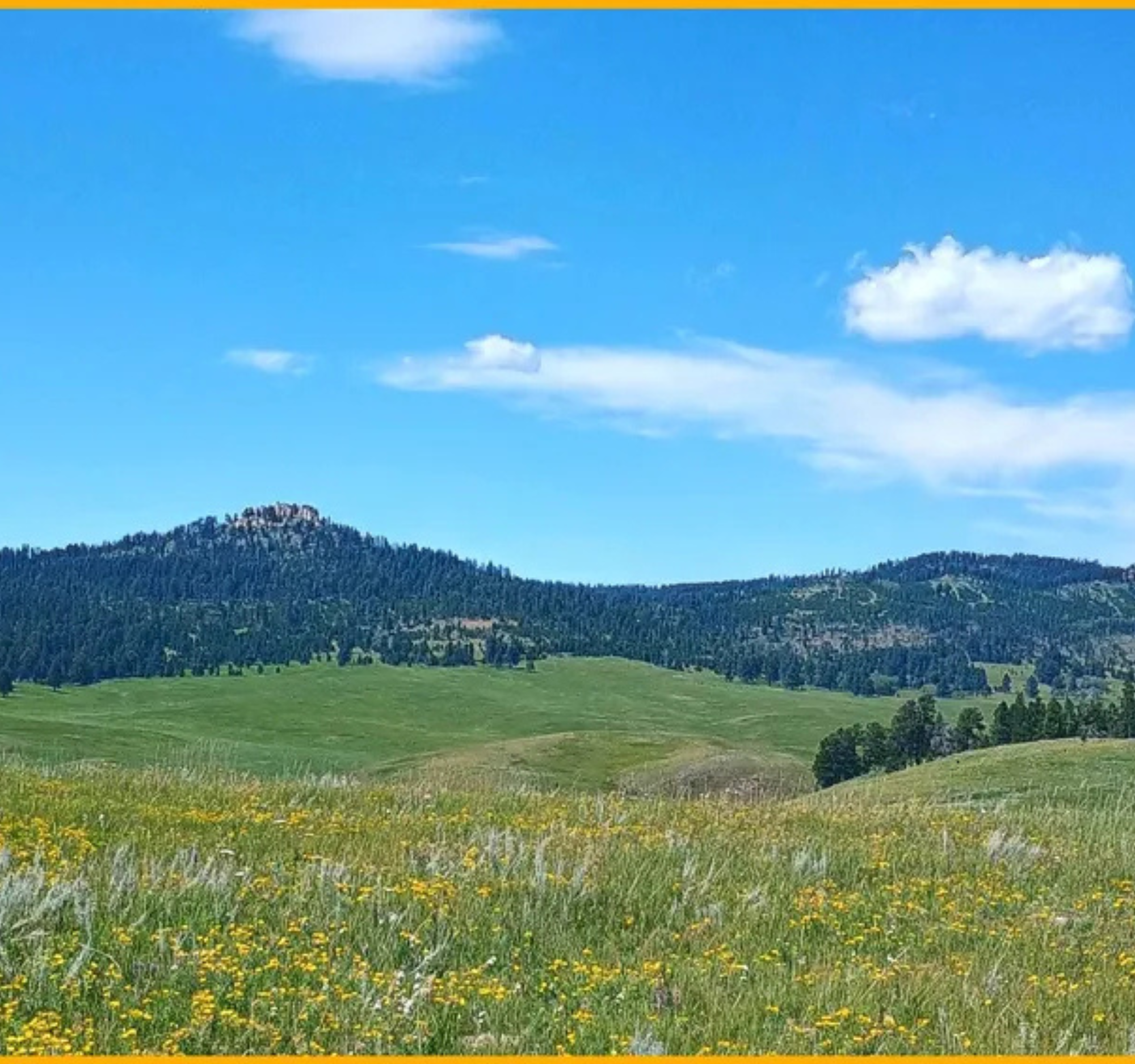
Pe’ Sla is in the Rapid Creek watershed, which supplies water to Rapid City, Ellsworth Air Force Base, and communities downstream along the Cheyenne River. Pe’ Sla is a unique landscape ecologically and geographically. It is reported to be a type a high elevation meadow that is only found in the Black Hills of South Dakota and northeastern Wyoming and that is surrounded by pine forests.
In June 2024, Pete Lien & Sons applied for permission to drill from the Mystic Ranger District of the Black Hills National Forest, which is based on Rapid City, SD. According to federal government records, as reported by parties in this case the lien company was acquired by a larger company in 2019 – and apparently by an even larger company in 2025. Plaintiffs state that all indications are that Pete Lien & Sons is a small subsidiary of an international company. The Sault Tribe Guardian has not confirmed the ownership of the company. The company appears to be a stable company with offices in South Dakota with the resources needed to fight the tribes.
The Forest Service issued a scoping notice in April 2025, which started its review process under the National Environmental Policy Act (NEPA) and a 30-day public comment period. An additional week was eventually tacked onto the review process, but it was still extremely short for such an important project.
The Forest Service issued a decision at the end of February 2026 that allowed drilling to go forward under what is called a categorical exclusion. A categorical exclusion is designed to allow small, short-term projects start without further environmental review under a limited set of circumstances. Among other things, a categorical exclusion cannot – by Forest Service regulations – be given to a project that could impact a municipal watershed or areas of cultural or spiritual importance. Also, it cannot be used for a project that would last longer than a year.
It appears that the Rochford project may not be appropriate for a categorical exclusion" according to the tribes and others fighting for their rights to keep the Black Hills as Sacred Ground. "
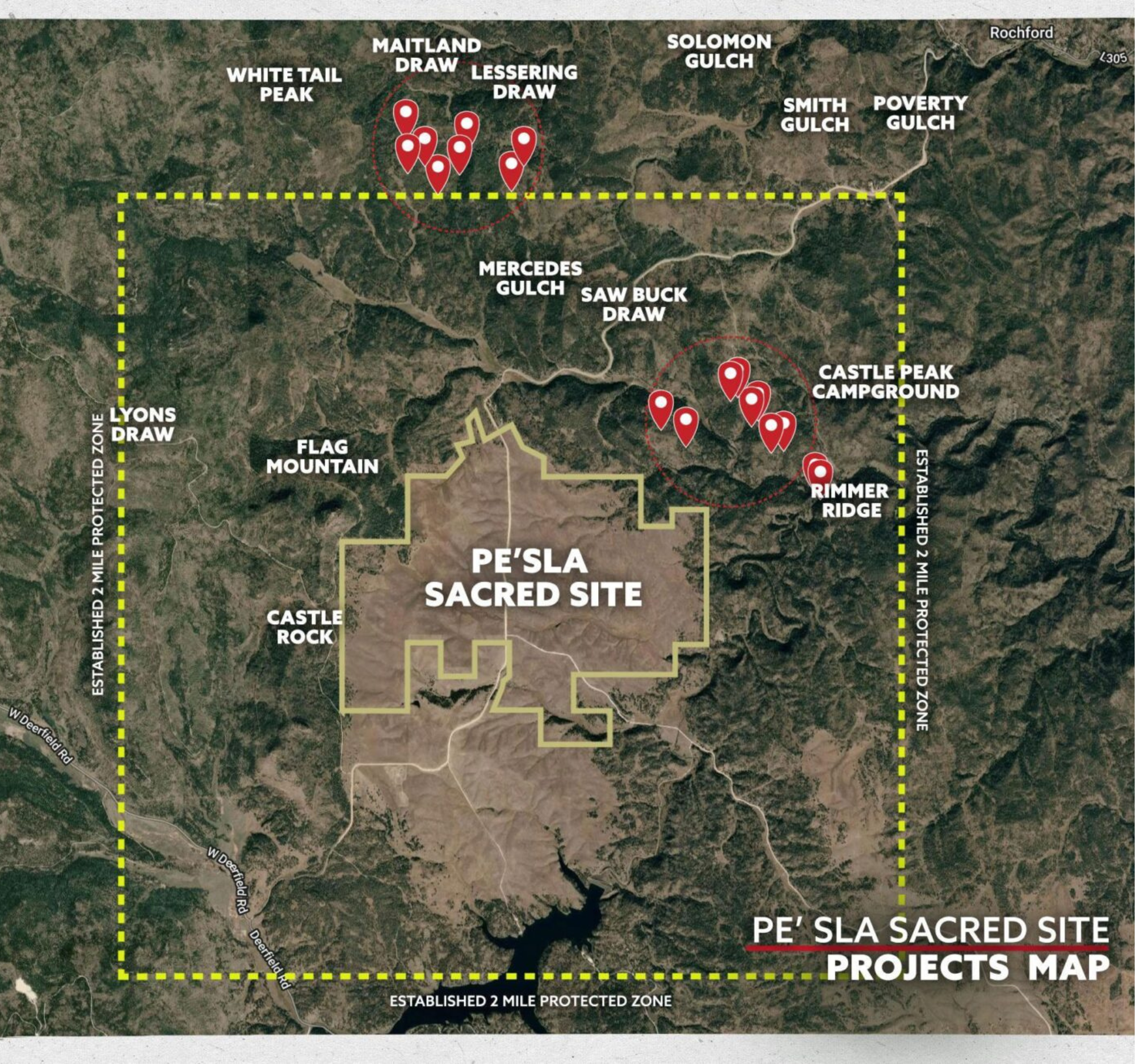
Photo credits: NDN Collective, Black Hills Water Alliance.