
September 21, 2026.
The Anishnabe Nation of Lac Simon, an Algonquin First Nation community located in the Abitibi-Témiscamingue region of Quebec, is objecting to the proposed Kino Aski LNG project, saying it cannot proceed without the consent and meaningful participation of First Nations whose territories could be affected.
The project was presented to potential investors during the Canadian Investment Summit in Toronto. Kino Aski is currently conducting technical studies and consultations, and no formal regulatory process has yet begun.
What is Kino Aski LNG?
Kino Aski LNG is a proposed First Nations-led liquefied natural gas project that would transport natural gas from Western Canada to Baie-Comeau, Quebec, for export to international markets.
The project proposes approximately 1,000 kilometres of new pipeline infrastructure and LNG production capacity of up to 15 million tonnes per year. The proposed Baie-Comeau facilities could include up to three electric-drive floating LNG units and approximately 1,700 megawatts of planned wind-energy capacity.
LNG or liquefied natural gas is Natural gas is cooled to extremely low temperatures until it becomes a liquid, allowing it to be transported by specialized ships.
Who owns Kino Aski LNG?
Kino Aski Inc. holds the majority ownership interest in Kino Aski LNG Inc., while Marinvest Energy Canada Inc. holds 49%. Marinvest describes the ownership structure as 51% Canadian First Nations and 49% Marinvest Energy Canada Inc.
Kino Aski says the project is led by Kino Aski Inc. under the leadership of the Atikamekw Nation, with participation from First Nations across Quebec and Ontario.
Atikamekw Grand Chief Constant Awashish is one of two directors of Kino Aski.
Lac Simon raises consent concerns.
The Anishnabe Nation of Lac Simon says it has not consented to the project and that its consent, along with that of other affected First Nations, cannot be assumed.
Chief Lucien Wabanonik said Kino Aski must obtain the free, prior and informed consent (FPIC) of Lac Simon and other affected First Nations.
FPIC means that a First Nation should have a meaningful opportunity to make its own decision about a project that could affect its lands, resources or rights. “Free” means the decision is made without coercion or pressure; “prior” means the Nation is involved before the project is approved or major decisions are made; and “informed” means the Nation receives sufficient information about the project and its potential effects to make an informed decision.
Lac Simon is asserting that these principles require its consent before the Kino Aski project can proceed. That is Lac Simon's position; the legal effect of FPIC in Canada can depend on the specific rights, territory and legal circumstances involved. Canadian courts have distinguished FPIC from an automatic veto over every development project.
Lac Simon has also said the proposed pipeline could cross multiple unceded First Nations territories and that affected Nations need complete and transparent information about the project.
Environmental groups raise concerns.
Several Canadian environmental organizations have also publicly raised concerns about the project.
Greenpeace Canada, Nature Québec and Mères au front criticized the project in a September 14 statement, raising concerns about transparency, environmental impacts and the involvement of communities affected by the proposed pipeline. Nature Québec Executive Director Alice-Anne Simard said Quebecers should have access to information about the project before major decisions are made.
Greenpeace has separately reported that Nature Québec, Mères au front and the David Suzuki Foundation have opposed the project. These organizations' positions represent environmental advocacy views and should not be interpreted as a finding that the project will cause particular environmental impacts.
A proposed multibillion-dollar project.
Infrastructure Canada has identified the proposed project at an early concept and pre-application stage, with an estimated capital investment of approximately US$23 billion.
Kino Aski proposes LNG production of up to 15 million tonnes annually, with natural gas transported from Western Canada to the proposed export facilities at Baie-Comeau.
The $23 billion figure is an early project estimate and not an approved or final construction cost.
International interest.
Kino Aski has also begun discussions with potential international customers.
In September, Kino Aski and Ukraine's state-owned Naftogaz signed a memorandum of understanding concerning potential Canadian LNG supplies to European markets.
The memorandum concerns potential future cooperation and does not constitute a final LNG sales contract or approval to build the project.
What happens next?
Kino Aski says it is continuing technical and engineering studies, consultations with First Nations and communities, and discussions with Canadian and international partners. The company says regulatory submissions will follow additional technical work and consultations.
For Lac Simon and other First Nations that could potentially be affected, questions about the proposed route, environmental impacts, participation and consent remain unresolved.
Atikamekw Grand Chief Constant Awashish has said the Nation's participation in Kino Aski does not mean the proposed LNG project has been approved. He said the Atikamekw Nation became involved so it could participate in decisions, examine potential impacts, negotiate benefits and establish conditions for the project.
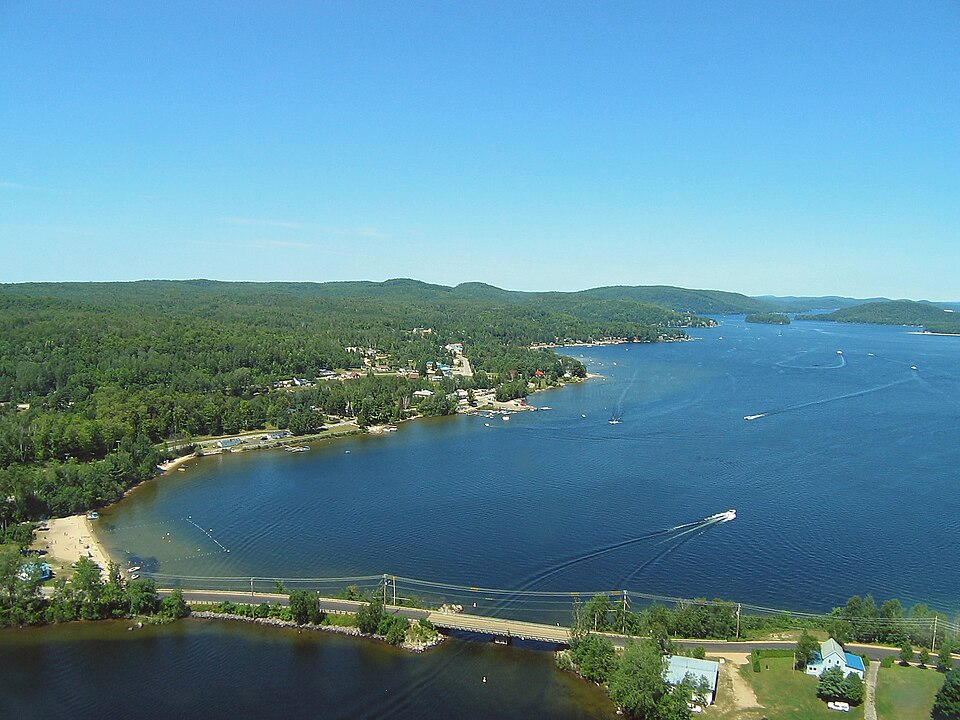
photo credit - Lac Simon aerial view


