August 26, 2026.
JUNEAU, Alaska — The U.S. Army Corps of Engineers is moving ahead with an unprecedented effort to find a permanent solution to the increasingly severe glacial lake outburst floods threatening Juneau, while questions remain about how quickly infrastructure can be built without sacrificing environmental review, cultural protections and public involvement.
The Corps announced August 7 that it would use a new approach called “Building Infrastructure, Not Paperwork,” or BINP, to accelerate development of a long-term flood-control solution for the Mendenhall Valley. The agency says a conventional project could take more than 10 years and cost more than $1 billion. Under the new approach, the Corps intends to solicit proposals for innovative infrastructure prototypes on a substantially faster timetable.
The announcement comes after years of increasingly destructive flooding from Suicide Basin, an ice-dammed basin above the Mendenhall Glacier. The basin periodically releases enormous volumes of meltwater into Mendenhall Lake and the Mendenhall River.
The 2024 flood was particularly destructive, damaging more than 300 homes. The Corps says the severity of recent floods has increased as the Suicide Glacier and Mendenhall Glacier continue to change.
Tribes have pushed for a permanent solution.
The Central Council of the Tlingit and Haida Indian Tribes of Alaska has been involved in flood planning with the city and federal agencies.
Tlingit & Haida President Chalyee Éesh Richard Peterson said earlier this year that the tribe continued to consider a lake-tap system the most viable long-term option. The proposed system would involve a tunnel through Bullard Mountain that would allow water in Suicide Basin to drain gradually rather than accumulating and releasing in a massive flood.
The lake-tap concept was previously identified as the preferred long-term alternative by Tlingit & Haida, the City and Borough of Juneau and the U.S. Forest Service. Tribal officials said the option appeared to have the smallest footprint among the alternatives considered and would avoid relocating large numbers of residents.
Tribal officials have also stressed that flood protection cannot be considered solely an engineering problem.
The Mendenhall area contains places important to Tlingit culture, and previous tribal discussions with federal officials have emphasized protecting cultural and subsistence resources. In a 2024 request to the Corps, Tlingit & Haida documented damage to homes and storage areas containing traditional foods and cultural belongings following earlier flooding.
The tribe has also emphasized the importance of combining scientific information with traditional ecological knowledge as officials plan for future floods.
Environmental questions remain.
Environmental concerns are likely to become increasingly important as the federal government moves from temporary flood protection toward permanent construction.
The Corps has already acknowledged that environmental review remains part of the process. The Federal Permitting Council said it intends to coordinate an efficient and transparent environmental review while accelerating the project.
That distinction is significant.
The administration's announcement criticizes lengthy permitting and regulatory processes, but the project could involve major alterations to the Mendenhall watershed, surrounding public lands and potentially the area around the glacier.
Previous studies of the lake-tap proposal have identified environmental and cultural sensitivity reviews as necessary. Tlingit & Haida officials have said those studies must accompany the engineering work to ensure that a solution to flooding does not create new problems for culturally or environmentally sensitive areas.
The rapidly changing glacier system also makes environmental analysis particularly complicated. The Corps' technical assessment says the retreat of Suicide Glacier and changes in the Mendenhall Glacier have contributed to increasing flood severity. The agency notes that the river system is continually changing, making predictions about future floods more difficult.
Environmental advocates and conservation-minded stakeholders therefore face a difficult balance: Juneau residents need protection from an increasingly dangerous flood threat, but permanent construction could itself alter a sensitive glacier and river environment.
At the same time, publicly available statements reviewed for this report do not show a major Alaska environmental organization formally rejecting the Corps' new approach. The more clearly documented concern is the need to maintain environmental and cultural review while moving faster.
Temporary defenses are already in place.
The Corps has not been waiting for a permanent answer.
For 2026, it completed a second phase of temporary flood mitigation that includes approximately 2.72 miles of temporary flood barriers, 1.85 miles of riverbank armoring and a roughly 1,100-foot earthen berm near Back Loop Road.
The Corps also supplied tens of thousands of feet of flood barriers, sandbags and pumps for emergency preparations.
Those measures have received support from Juneau officials and Tlingit & Haida, which have worked with federal and state agencies on flood preparedness and emergency response.
The tribe and city jointly sought additional state assistance in August as another potentially significant flood approached.
What happens next?
The Corps' new initiative does not yet identify a final permanent engineering design.
Instead, the agency is seeking innovative proposals from industry and engineering firms. The first step has already begun: the Corps held an industry day Aug. 21 for companies interested in developing an Emergency Water Conveyance Prototype to address the recurring floods. About 39 potential industry partners participated.
That means the lake-tap concept remains part of the broader discussion, but it is not currently guaranteed to become the final project.
The challenge for federal officials will be finding a solution that can be constructed quickly enough to protect Juneau while also addressing the concerns of residents, Tlingit & Haida, scientists, environmental interests and agencies responsible for public lands.
For Tlingit & Haida, the goal has been consistent: immediate protection for residents followed by a durable solution that respects the cultural and environmental importance of the Mendenhall landscape.
The Corps' accelerated approach could dramatically shorten the timetable for that solution. But the ultimate test will be whether speed can be combined with sound engineering, meaningful tribal participation and adequate environmental safeguards.
For a community facing potentially larger floods each year, Juneau officials say waiting another decade is not an acceptable option. The question now is whether the federal government's push to move faster can produce a permanent solution without creating a new set of environmental and cultural problems.
Photographer Credits:
US Army Corp. Mendenhall landscape.
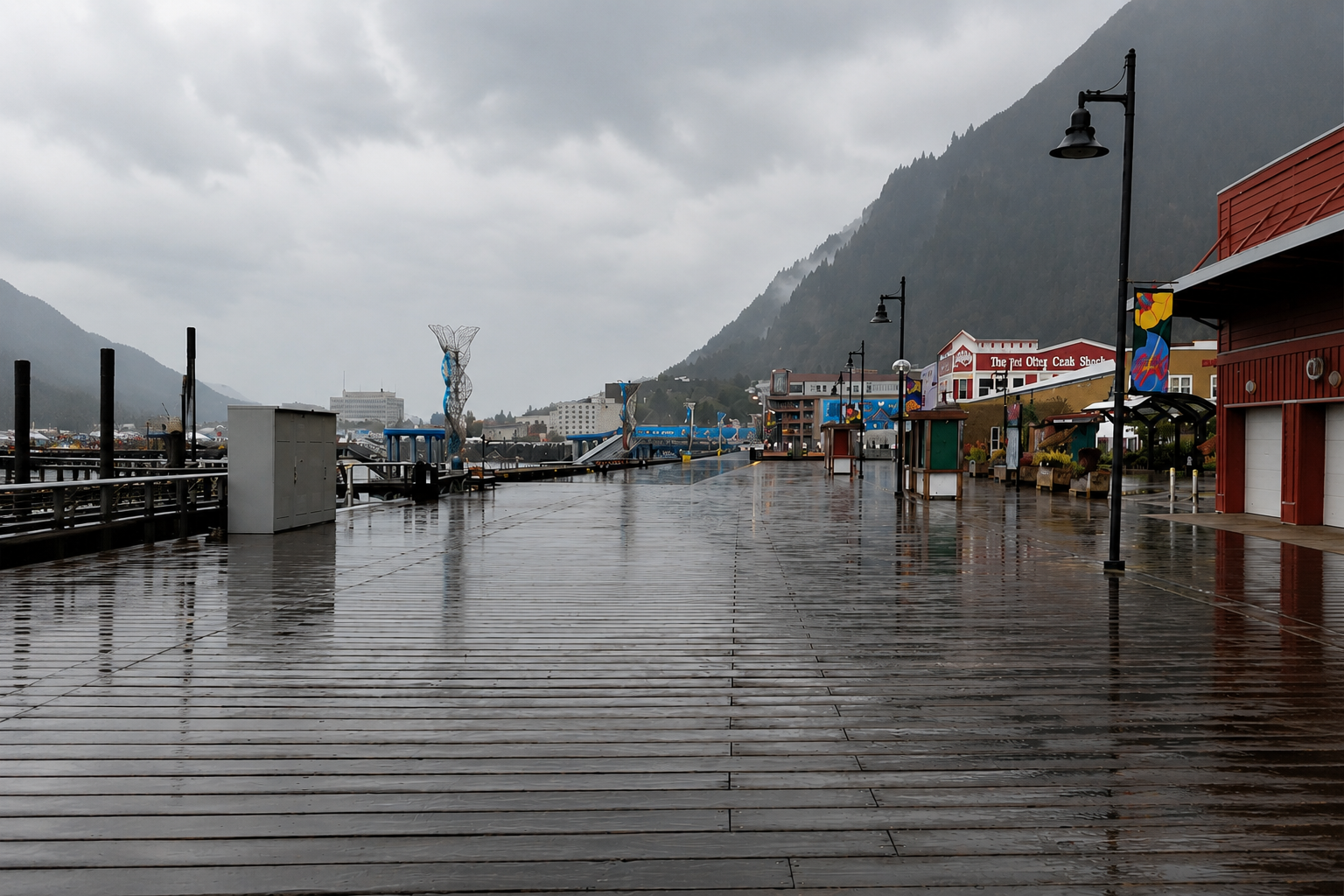
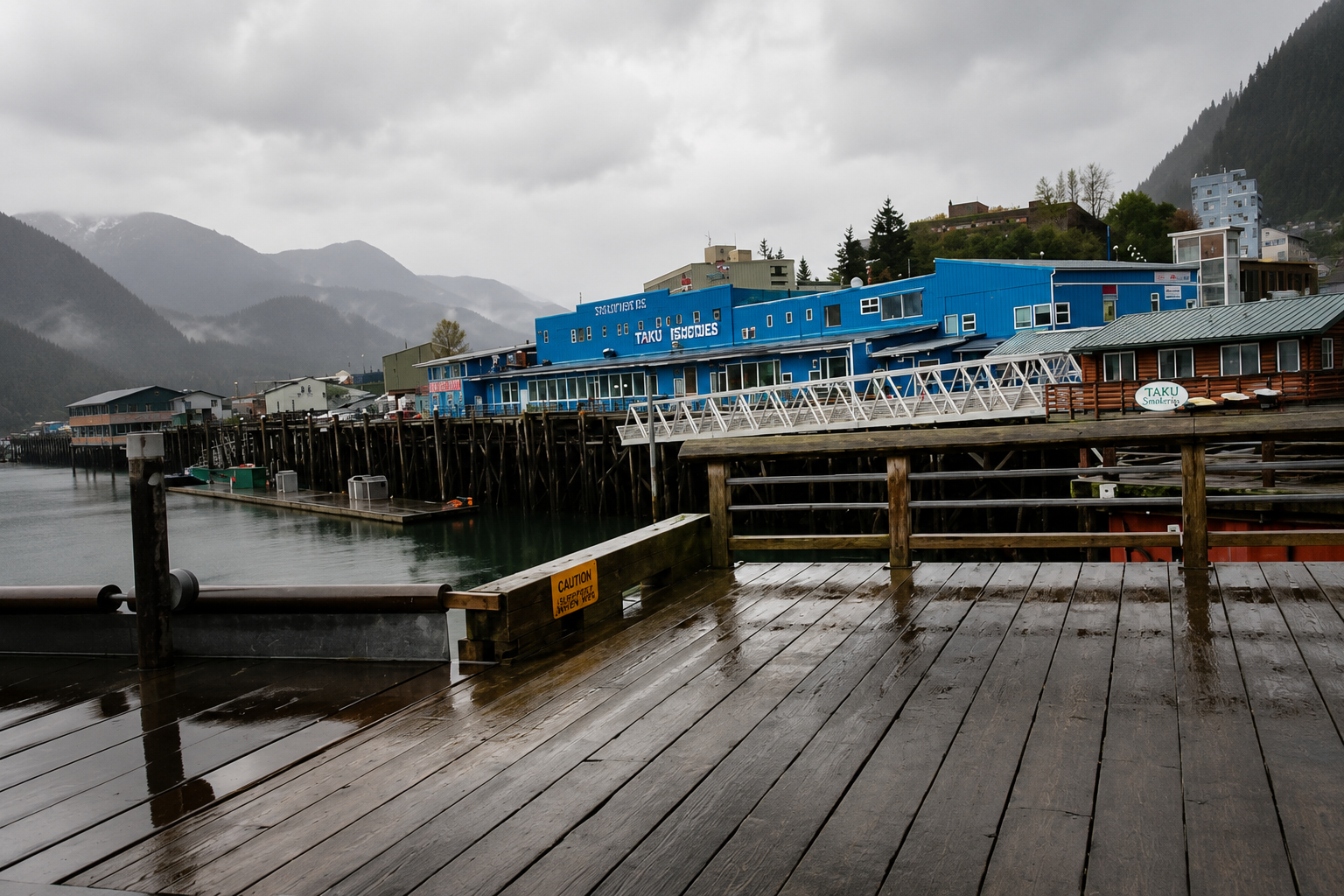
Pictures of Juneau Photographer Renee St. Andre with android cell phone.