September 27, 2026.
Ontario First Nations leaders call for recognition of treaty rights, participation and economic partnership as Canada seeks major new investment.
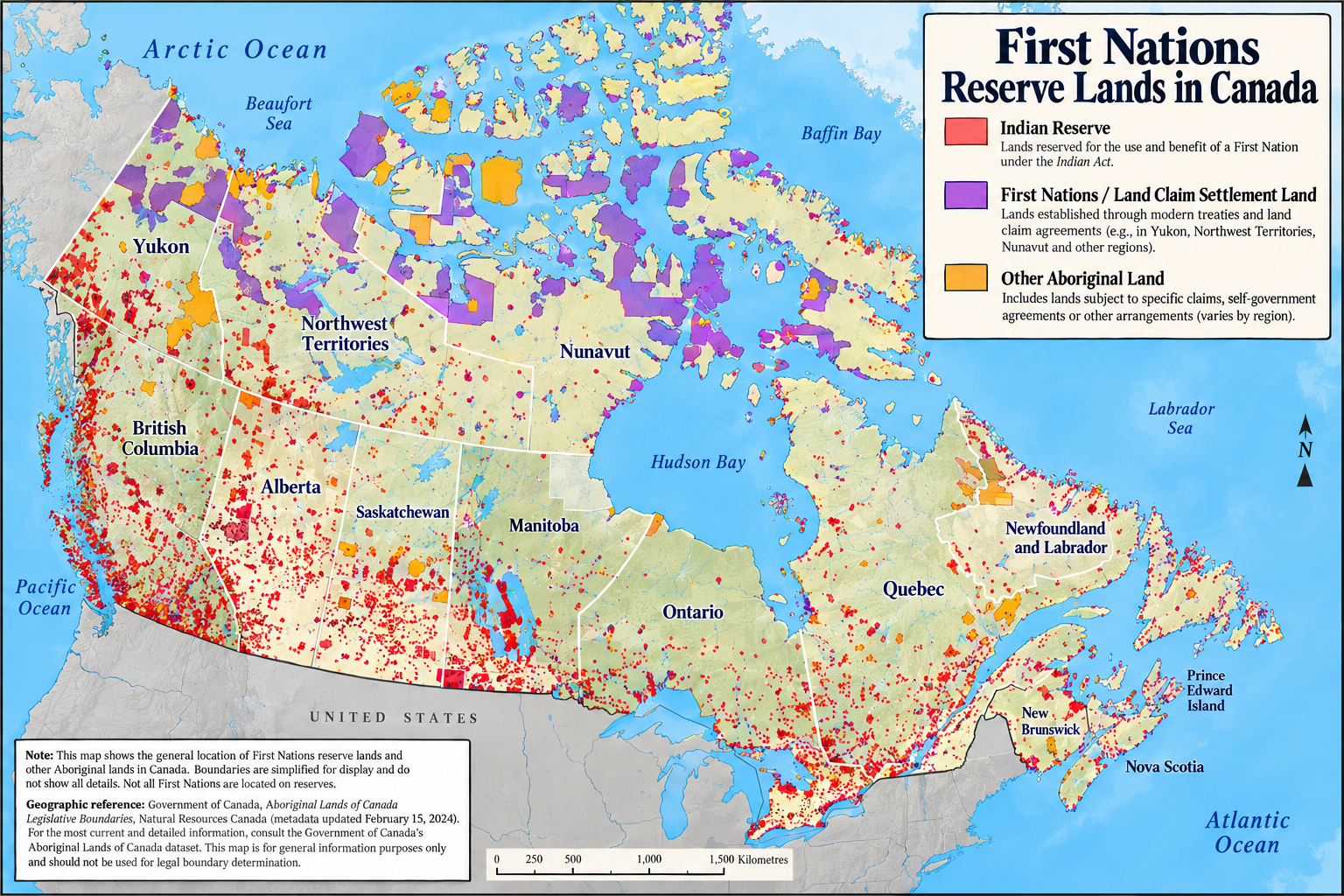
The Government of Canada’s push to attract investment and accelerate major projects is drawing different responses from First Nations across the country, with leaders raising concerns about treaty rights and decision-making while others emphasize ownership, economic participation and partnership.
The issue was prominent during Canada's first Canada Investment Summit, held September 14 and 15 in Toronto. Prime Minister Mark Carney's government has set a goal of attracting one trillion dollars in new investment over five years and is promoting major projects in areas including energy, infrastructure and critical minerals.
For First Nations leaders, however, investment in their territories raises questions about how projects are developed, who makes decisions and who benefits from them.
Anishinabek Nation: Resources are not Canada's to give away.
Grand Council Chief Linda Debassige of the Anishinabek Nation issued a statement September 15 directed at the Government of Canada and investors attending the summit.
She said lands and resources targeted for development and investment include treaty territories of Anishinabek First Nations around the Great Lakes.
The Anishinabek Nation represents 39 First Nations across Ontario and approximately 70,000 citizens. Debassige said the Nation's inherent rights and title have not been adequately recognized and called for greater respect for treaty relationships.
“Trust must be built before any investment can be made in our territories,” Debassige said.
The Nation stated that it is prepared to work with governments and investors on economic development when there are adequate and equitable opportunities for its communities and environmental protection.
At the same time, the Nation said Canada should recognize its position that resources within its lands are not Canada's to give or barter away to attract investment.
The statement also referred to the 1670 Royal Charter that created the Hudson's Bay Company and used the company's early relationships with First Peoples as a historical example of commercial relationships built on trust.
Nishnawbe Aski Nation rejects federal legislation.
The Nishnawbe Aski Nation issued a stronger objection September 24 following the introduction of the federal Building Canada Strong Act.
Leaders from Nishnawbe Aski Nation said the legislation threatens Treaty and inherent rights and jurisdiction over their traditional territories by accelerating resource development.
The organization represents 49 First Nation communities in northern Ontario.
The chiefs said their communities support responsible development but want to participate as partners, owners, builders and stewards of major projects when their communities have provided what they describe as free, prior and informed consent.
They said projects developed in partnership could receive their support, while projects that bypass First Nations would face opposition.
Nishnawbe Aski Nation said it intends to work with the Chiefs of Ontario and the Assembly of First Nations as the federal government prepares for the First Nations-First Ministers’ Meeting scheduled for October 26.
National First Nations leader emphasizes ownership.
Assembly of First Nations National Chief Cindy Woodhouse Nepinak has taken a different approach to the investment discussion, emphasizing that First Nations should have an economic role in major projects rather than simply being consulted after decisions have been made.
During the investment summit, Woodhouse Nepinak said investors should speak directly with chiefs and First Nations before proceeding with major projects.
She also said First Nations should have opportunities to be owners and suppliers throughout major projects.
Her comments illustrate an important distinction in the current debate: opposition to a particular federal process or project does not necessarily mean opposition to economic development.
Some First Nations leaders are calling for development to proceed through partnerships that provide ownership, revenue and other economic opportunities for First Nations communities.
Concerns extend beyond Ontario.
The debate is not limited to the Great Lakes or Ontario.
During the investment summit, Wet'suwet'en Hereditary Chief Na'Moks criticized the federal government's major-project strategy and questioned whether projects could proceed without the support of First Nations whose territories could be affected.
The Canadian Press also reported that First Nations youth were organizing against the government's major-project agenda during the summit.
The concerns reflect a broader national debate over how Canada can pursue major infrastructure and resource projects while addressing First Nations rights and the interests of communities located in or near proposed project areas.
Anishinabek concerns began before the investment summit.
The Anishinabek Nation's September statement was not its first warning this year about major resource corridors.
On July 8, the Nation issued a statement concerning the proposed Northern Shield Energy Corridor, announced by the Governments of Ontario and Alberta. The proposed corridor would move oil from Alberta to refining facilities in Ontario.
Grand Council Chief Linda Debassige expressed concerns about the proposal and its implications for Anishinabek territories.
The Nation has also focused on protection of the Great Lakes themselves.
On July 21, the Anishinabek Nation hosted its second annual Great Lakes Gathering — For the Sake of Water at Aamjiwnaang First Nation. The gathering brought together First Nation leaders, Elders, youth, Knowledge Holders, water practitioners, researchers and others to discuss protection of water and Great Lakes stewardship.
Together, those statements show that the Nation's concerns about investment are connected to a broader focus on land, water, environmental protection, treaty relationships and economic participation.
What Canadian law says.
The legal issues surrounding major projects are more specific than the political statements made by individual First Nations organizations.
Section 35 of the Constitution Act, 1982 recognizes and affirms existing Aboriginal and treaty rights. The Department of Justice Canada explains that the Crown may have a constitutional duty to consult and, where appropriate, accommodate First Nations when contemplated government conduct could adversely affect such rights.
The extent of that duty depends on the circumstances, including the strength of the rights claim and the seriousness of the potential impact.
That general legal framework does not by itself establish that a particular First Nation owns a particular resource, possesses Aboriginal title over a particular area, or has an automatic veto over a proposed project. Those questions can depend on specific treaties, agreements, established rights, court decisions and the facts surrounding an individual project.
The Anishinabek Nation and Nishnawbe Aski Nation are making their own assertions about their rights, jurisdiction and the role of consent. Those positions should be distinguished from legal determinations made by Canadian courts.
A growing debate over who benefits.
Canada's investment strategy is bringing First Nations participation into sharper focus.
Some First Nations leaders are challenging federal legislation and accelerated project approvals. Others are emphasizing that development should create opportunities for First Nations ownership, investment, employment and business participation.
The Anishinabek Nation says development affecting its Great Lakes treaty territories must begin with trust and respect for its treaty relationships.
Nishnawbe Aski Nation says its communities can support responsible development when they are genuine partners and rights-holders in decisions affecting their territories.
The Assembly of First Nations has emphasized ownership and economic participation.
These positions are not identical, but they share a common concern: First Nations leaders want decisions about projects affecting their territories to include the Nations themselves rather than treating them solely as communities that may be affected after investment decisions have already been made.
As Canada moves forward with its major-project and investment agenda, those questions are likely to remain central to discussions between First Nations, the federal government, provincial governments and investors.