
June 7, 2026.
Canada is often viewed internationally as a country that values diversity, inclusion, and human rights. Yet many First Nations, Inuit, and Métis people continue to experience racism and discrimination in their daily lives. These issues have been documented through government inquiries, court cases, academic research, and public incidents that have sparked national debate.
Social media has also become a place where discussions about Indigenous rights and race relations unfold. Posts shared on Facebook pages such as Canada Diaries often generate thousands of comments, revealing both support for Indigenous communities and, at times, hostility toward them. While online discussions can encourage public dialogue, they can also expose prejudices that many Indigenous people say they continue to face.
Examples of anti-Indigenous racism have appeared in public forums and social media over the years. In 2018, Canadian authorities charged individuals after Facebook posts promoted a so-called “Shoot an Indian Day,” an incident that drew national condemnation and highlighted concerns about hate speech directed at Indigenous people. Reports have also documented racist comments made in online groups involving current and former law enforcement officers, raising concerns about systemic discrimination within public institutions.
The topic has once again entered public discussion following comments by First Nation Chief Allan Adam regarding Alberta separation debates and resource development on traditional Indigenous territories. Adam stated, “If Alberta wants to separate and doesn’t want to be part of Canada, then you’re not allowed on our traditional territories anymore for exploration because we don’t know who you’re exploring for.”
The remarks have sparked strong reactions across the country. Supporters argue that First Nations Citizens possess inherent rights over their traditional territories and should have a significant voice in decisions involving resource development. Critics contend that access to natural resources and economic development should not become tied to political debates about provincial separation.
The controversy highlights broader questions about First Nations sovereignty, treaty rights, resource extraction, and Canada's future as a nation. While opinions differ, the discussion underscores the importance of respectful dialogue and a deeper understanding of the historical relationship between Indigenous peoples and the Canadian state.
As Canada continues its journey toward reconciliation, many observers argue that confronting racism—both online and offline—remains essential to building stronger relationships between First Nations and non-Indigenous communities.

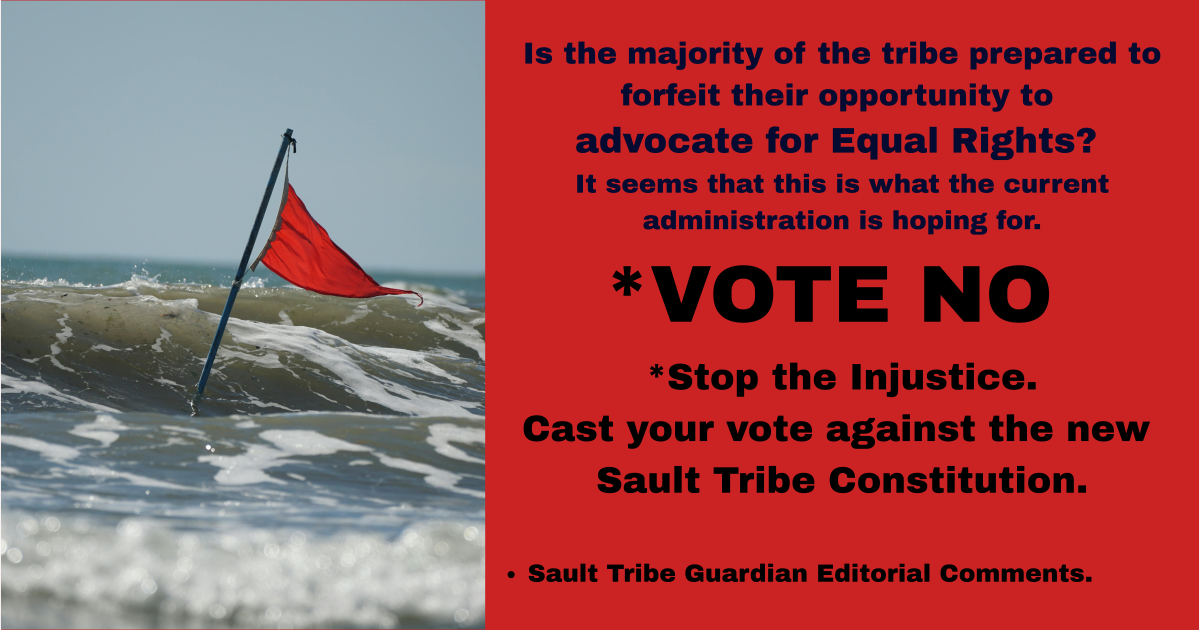
Is it time for Sault Tribe Members to demand equal rights? Why VOTE NO. We have outstanding individuals that are members of our tribe that could help us grow that are not allowed to run for the Board of Directors.